How Your Meal Timing Could be the Missing Link to Better Energy
 Susie Friesen

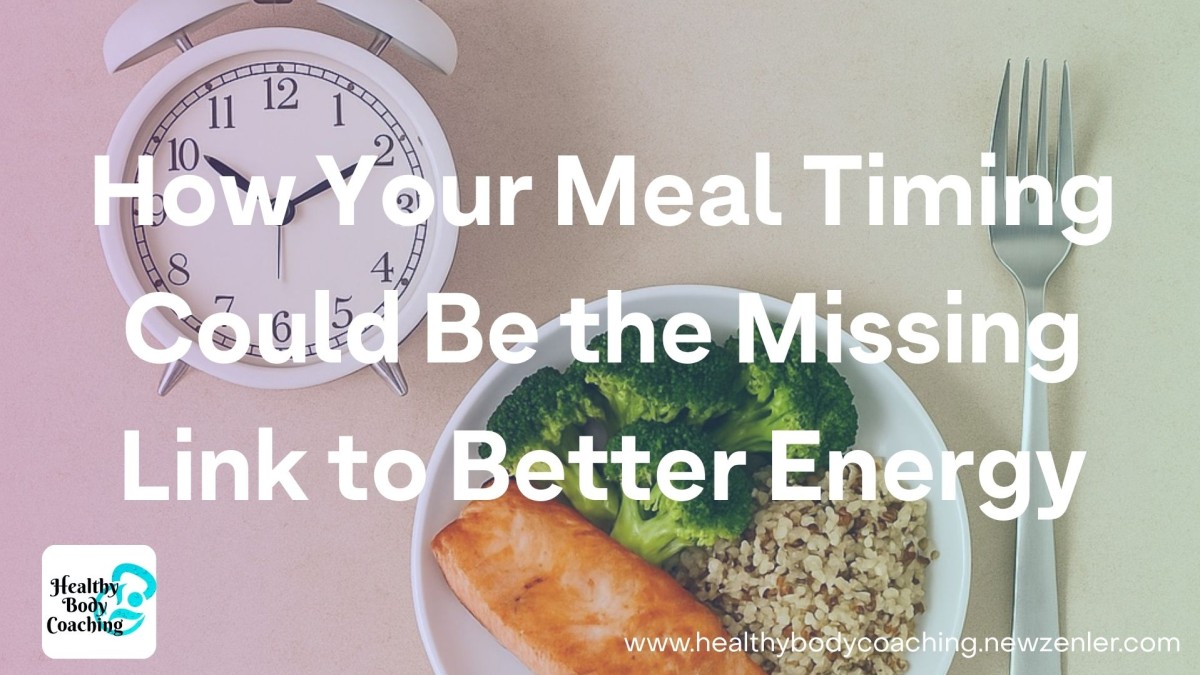
For women in perimenopause, when you eat can be just as important as what you eat. Many of us skip breakfast, eat lunch late (or not at all), and ...
A few years ago, I was doing everything “right”—or so I thought.
I was eating clean, watching my portions, and hitting the gym several times a week. But by mid-afternoon, I was completely wiped. My energy tanked around 3 p.m., and no matter what I ate for breakfast, I found myself crashing before dinner.
Sound familiar?
If you’re in your 40s or early 50s and struggling with low energy, irritability, or that wired-but-tired feeling, it might not be what you’re eating—it might be when you’re eating.
Meal Timing: The Overlooked Energy Strategy
Most nutrition advice focuses on what to eat (cut sugar! eat more protein! avoid processed foods!)—but meal timing is just as important, especially in perimenopause and menopause.
Our hormones are shifting, and those shifts affect blood sugar, cortisol rhythms, and energy production. And yet, many women unintentionally make things worse by skipping meals, pushing off breakfast, or eating the bulk of their calories late in the day.
Why Skipping Breakfast Can Backfire
You might think intermittent fasting or skipping breakfast will help with fat loss or energy control. But in perimenopause, this strategy can actually backfire.
Here’s why:
-
Cortisol, your stress hormone, is naturally higher in the morning to help you wake up. If you skip breakfast, cortisol stays elevated longer, which can lead to blood sugar crashes, cravings, and that mid-morning irritability.
-
Your blood sugar may dip more dramatically, especially if you’ve had a poor night’s sleep or high stress (aka, Tuesday). That crash leads to the “hangry” zone and leaves you reaching for quick fixes.
Starting your day with a protein-rich meal within 60–90 minutes of waking can help stabilize blood sugar, reduce stress on your system, and set the tone for more consistent energy all day long.
The 3–4 Hour Rule: Keep the Fire Burning
Here’s a simple concept I teach in my Reset & Rebalance course: treat your metabolism like a fire.
If you throw a huge log on a cold fire (i.e., a giant dinner after barely eating all day), it won’t catch. But if you steadily feed it with the right kind of fuel throughout the day, it stays strong.
That’s why I recommend:
-
Eating every 3–4 hours during the day
-
Prioritizing protein + fiber + healthy fats at each meal
-
Avoiding long stretches without food, especially if you’re feeling stressed or fatigued
This rhythm keeps your blood sugar steady, your energy stable, and your cravings in check.
Late-Night Meals = Poorer Sleep (and Worse Mornings)
Eating too close to bedtime can also wreak havoc on your energy the next day. Why? Your body ends up prioritizing digestion over quality rest.
If you’re waking up groggy despite “getting enough sleep,” look at your dinner habits. A heavy, late meal—especially one high in sugar or carbs—can:
-
Disrupt melatonin production
-
Lead to blood sugar spikes overnight
-
Increase nighttime wakeups (especially the 3 a.m. kind)
Aim to finish your last full meal 2–3 hours before bed and keep nighttime snacks light and protein-based if you need one (like a boiled egg or some Greek yogurt).
A Real-Life Reset
One of my clients came to me drained. She wasn’t eating much during the day—just coffee and maybe a protein bar—but was ravenous by evening. She’d snack through dinner and often felt jittery at bedtime, then crashed the next day.
We adjusted her meal timing:
-
A proper breakfast within an hour of waking
-
Lunch with protein and fiber
-
A mid-afternoon snack
-
A lighter, earlier dinner
The result? Within five days, she reported:
-
No more afternoon crashes
-
Easier sleep
-
Fewer cravings at night
-
Clearer thinking and more energy at work
And no, she didn’t have to eat more calories—she just spread them out strategically.
The Reset & Rebalance Approach
In my 5-day Reset & Rebalance course, Day 2 is dedicated entirely to building hormone-supportive meals that stabilize your energy and cravings.
We cover:
-
How to balance your plate to reduce crashes
-
The best meal timing strategies for hormone balance
-
Real-world meal and snack examples
-
How to adapt your eating schedule to your lifestyle
Plus, you’ll get a bonus journal to help you track how different patterns affect your energy. Because you shouldn’t need caffeine and sheer willpower to survive your day.
Small Shifts = Big Energy
You don’t have to do a complete diet overhaul. Sometimes the biggest energy boost comes from small tweaks—like moving your protein shake to 8 a.m. instead of 11, or adding a stabilizing snack between lunch and dinner.
Meal timing isn’t trendy—but it works.
Especially for a body in transition.
Final Thought
You don’t need another diet—you need a rhythm that works with your hormones, energy, and real life.
If your tank is constantly on empty, meal timing might be the missing link you’ve been overlooking. Let’s fix that. One meal at a time. 💪
Click here to for the Reset & Rebalance Course
Categories: : Energy